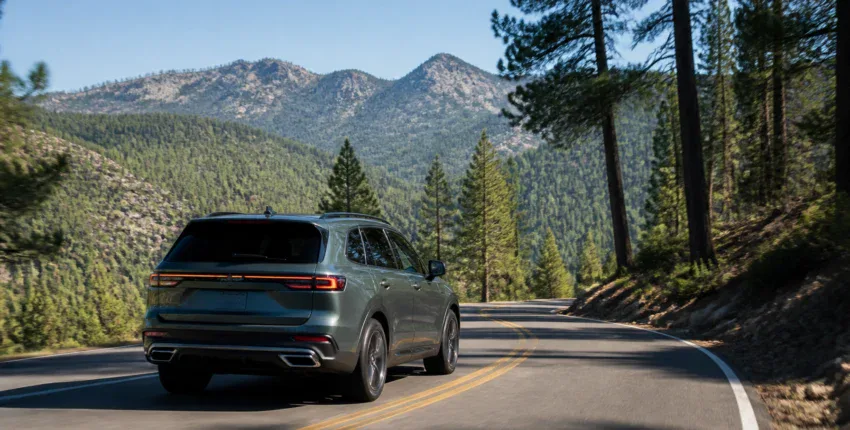
There is a specific kind of excitement that comes with packing up the car for a trip out of Auburn. Whether you are heading up I-80 toward the cool air of Lake Tahoe or winding through the foothills on Highway 49, the last thing you want to hear is the high-pitched squeal of worn-out brake pads.
Brakes are easily the most critical safety system on your vehicle. When you are navigating the steep grades and tight turns of Northern California, your stopping power isn’t just a matter of convenience: it is a matter of safety. If you have been searching for “brake repair near me” because you suspect something isn’t quite right, your intuition is likely spot on. Before you hit the road, there are several key indicators and maintenance facts you should understand to ensure your trip stays on track and your family stays safe.
1. The High-Pitched Warning Song
Modern brake pads are designed with a built-in safety feature called a wear indicator. This is a tiny metal tab that becomes exposed as the friction material on your brake pad wears down. When it reaches a critical thinness, that tab makes contact with the rotor, creating a high-pitched squeal or chirping sound every time the wheels are turning (or specifically when you apply pressure).
If you hear this sound while driving around town in Auburn, CA, consider it your car’s way of politely asking for a check-up. It is an early warning sign designed to prevent you from reaching the “metal-on-metal” stage, which is far more dangerous and expensive to fix.
2. Grinding is a Red Alert
If the squealing has stopped and has been replaced by a deep, low-frequency grinding or growling sound, you have moved past the “early warning” phase. This sound typically means the friction material on your brake pads is completely gone. What you are hearing is the metal backing plate of the pad grinding directly against the metal brake rotor.
At this point, your stopping distance is significantly compromised. Furthermore, you are actively destroying your rotors, which will turn a simple pad replacement into a much more costly repair. If you hear grinding, do not attempt a long road trip; get your vehicle to a technician immediately.
3. How to Know Brake Pads Need Replacing Visually
You don’t always have to wait for a noise to tell you there is a problem. If your vehicle has alloy wheels with open spokes, you can often perform a quick visual check yourself. Look through the spokes at the circular metal rotor. Pressed against it, you will see the brake caliper, and inside that caliper is the brake pad.
A good rule of thumb for how to know brake pads need replacing is the “quarter-inch rule.” If the friction material (the part of the pad that touches the rotor) looks to be less than 1/4 inch thick (about 6mm), it is time to start planning for a replacement. If it looks like a thin sliver: around 3mm or less: you should replace them before your road trip begins.
4. The Spongy Pedal Feel
Your brake system relies on hydraulic pressure. When you step on the pedal, fluid is pushed through lines to engage the calipers. If the pedal feels “soft” or “spongy,” or if it sinks all the way to the floorboard before the car starts to slow down, you have a serious problem.
This sensation can be caused by air bubbles in the brake lines, leaking brake fluid, or a failing master cylinder. On long mountain descents where brakes can get hot, a spongy pedal can quickly lead to “brake fade,” where the car refuses to stop entirely. This is a critical safety issue that needs professional diagnosis.

5. Vibrations and Shaking
If your steering wheel shakes or the brake pedal pulses when you apply the brakes at highway speeds, you likely have “warped” rotors. This doesn’t necessarily mean the metal is bent like a taco, but rather that the surface of the rotor has developed thin and thick spots or has become glazed with uneven brake pad deposits.
When the pads press against an uneven surface, they bounce, sending those vibrations up through the suspension and into your hands. This reduces your tire’s grip on the road during braking and can be incredibly unnerving when you are trying to slow down on a steep grade.
6. Pulling to One Side
Does your car feel like it wants to dive toward the shoulder or into the next lane when you hit the brakes? This “pulling” usually indicates that the braking force is uneven. One side is working harder than the other. This can be caused by a “stuck” brake caliper, a collapsed brake hose, or even unevenly worn pads.
For Auburn drivers navigating our local two-lane highways, a car that pulls under braking is a major hazard. It makes it much harder to maintain control during an emergency stop.
7. The Role of Brake Fluid
Brake fluid is the lifeblood of your stopping system, but it is often overlooked. Over time, brake fluid absorbs moisture from the air. This moisture lowers the boiling point of the fluid and can cause internal corrosion in your brake lines and calipers.
Before a road trip, a technician should check both the level and the condition of your fluid. If the fluid is dark brown or black (it should be a light amber color), it is time for a fluid exchange. Fresh fluid ensures that your brakes can handle the heat generated by long downhill stretches without failing.
8. Dashboard Warning Lights
Your car’s computer is constantly monitoring the health of the braking system. If the “ABS” (Anti-lock Braking System) light or the red “BRAKE” light illuminates on your dashboard, do not ignore it. The ABS light indicates a failure in the system that prevents your wheels from locking up during a skid. The red brake light can indicate low fluid levels or a failure in the hydraulic system. Either way, these lights are a signal that your car’s safety net has been compromised.
9. The Smell of Trouble
If you smell something burning: specifically a sharp, chemical odor: after a series of hard stops or a long descent, your brakes are overheating. Overheated brakes lose their effectiveness quickly. If this happens, it is vital to pull over safely and let the system cool down. However, frequent overheating usually points to a dragging caliper or pads that aren’t retracting properly. This needs to be addressed before you find yourself in a situation where you need to stop quickly and can’t.
10. Timing is Everything
The biggest mistake many drivers make is waiting until the morning of their trip to look for brake repair near me. Brake repairs, especially if they involve rotors or calipers, can take time. Furthermore, new brake pads often require a short “bedding-in” period to achieve maximum effectiveness. We recommend having your brakes inspected at least one to two weeks before a major road trip. This gives you plenty of time to handle any necessary repairs without the stress of a looming departure deadline.
Trust the Experts in Auburn
At Auburn Service Center, we understand that your vehicle is more than just a way to get around: it is what keeps your family safe on the road. We are a family-owned, NAPA-certified AutoCare Center with over 45 years of experience serving the Auburn community.
Our certified mechanics provide upfront, transparent pricing and a 24-month/24,000-mile warranty on parts and labor, giving you peace of mind whether you’re driving across town or across the country. Don’t leave your safety to chance before your next adventure. If you have noticed any of these warning signs, come see us for a free inspection. We are dedicated to keeping your vehicle safe, reliable, and efficient without breaking the bank.
Ready for a pre-trip safety check? Contact Auburn Service Center today to schedule your brake inspection and ensure your next road trip is a smooth one.