We’ve all been there. You’re sitting in the drive-thru or waiting at a red light on Highway 49 in Auburn, CA, and you hear it: that high-pitched, metallic squeal. It’s faint at first, maybe just a little chirp when you tap the pedal. You turn up the radio, hoping it’s just the car next to you, but the sound persists.
Your brakes are the most critical safety feature on your vehicle. They are the only thing standing between a controlled stop and a very bad day. Yet, for many drivers, brake maintenance is something that gets pushed to the back burner until the noise becomes a roar or the pedal feels like a sponge.
At Auburn Service Center, we see a lot of vehicles come through our bays. While many drivers are proactive, we often see the same mistakes repeated over and over. These errors don’t just lead to more expensive repairs; they can actually compromise your safety on the road. Understanding the signs of wear and avoiding common pitfalls can save you thousands of dollars and keep your family safe.
Mistake #1: The “I Can Wait Another Week” Trap
The most common mistake drivers make is simply waiting too long. Most modern brake pads come equipped with a small metal shim called a “wear indicator.” When your pads get thin, this shim touches the rotor and creates that annoying squeal you hear.
If you hear that squeak and decide to wait, you aren’t just delaying an appointment; you are actively changing the math of your repair bill. If you catch the wear early, you might only need a simple set of new pads. However, if you wait until the friction material is completely gone, you’ll experience “metal-on-metal” contact.
Think of it this way: your brake pads are designed to wear away, like the lead in a pencil. Your rotors, on the other hand, are the expensive “paper.” If you keep writing after the lead is gone, you’re going to tear the paper. Once that metal backing plate grinds into your rotor, the rotor becomes scored or warped. What could have been a $200 pad replacement suddenly turns into a $600 job involving new rotors and potentially even new calipers.
How to Know Your Brake Pads Need Replacing
Learning how to know brake pads need replacing isn’t just for mechanics; it’s a vital skill for every car owner. Your car usually gives you several warnings before the system fails entirely.
Listen for the Warning Signs
The first sign is almost always auditory. If you hear a high-pitched screeching while the car is moving that disappears when you apply the brakes, that’s your wear indicator doing its job. If you hear a deep, gutteral grinding noise, stop driving immediately. That means the pads are gone, and you are currently damaging your rotors.
Feel the Feedback
Your brake pedal should feel firm and consistent. If you notice a “pulsing” or “shaking” in the steering wheel or brake pedal when you slow down, your rotors might be warped. This happens when the heat from thin pads transfers too quickly to the metal discs, causing them to distort. Additionally, if the car “pulls” to one side when you brake, it could mean one caliper is sticking or wearing unevenly.
The Visual Check
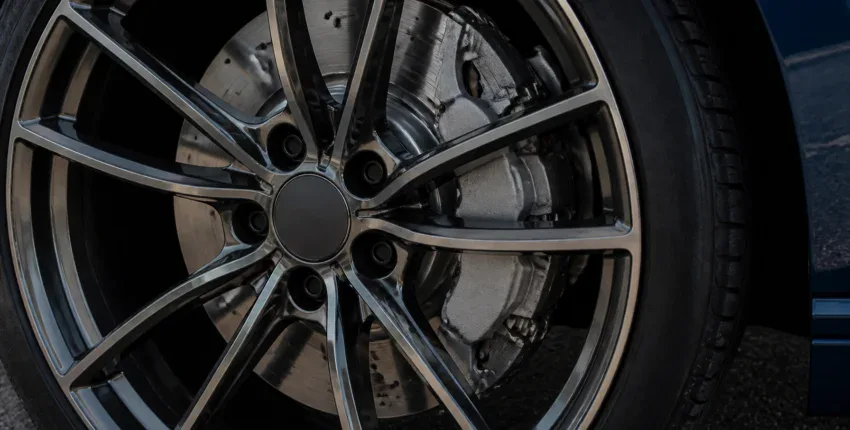
You don’t always have to take the wheel off to check your brakes. If your car has alloy wheels with gaps between the spokes, you can often see the brake pad through the wheel. Look for the friction material: the dark gray part between the metal backing plate and the shiny rotor. If it looks thinner than 1/8 of an inch (about the thickness of two pennies stacked together), it’s time for a change.

Mistake #2: The “Pad Slap” and Ignoring the Whole System
In the world of DIY or low-budget “shade tree” mechanics, there is a practice known as the “pad slap.” This is when someone pulls off the old pads and slides in new ones without doing anything else.
While this might seem like a quick fix, it is a major mistake. A brake system is a complex hydraulic network. When we perform professional brake repair in Auburn, we aren’t just looking at the pads. We are looking at the health of the entire system.
- The Hardware: The clips and pins that hold your pads in place get covered in road grime, salt, and brake dust. If these aren’t cleaned and lubricated with high-temperature grease, the new pads won’t slide properly. This causes them to “hang up,” leading to uneven wear and significantly shorter pad life.
- The Brake Fluid: Brake fluid is “hygroscopic,” meaning it absorbs moisture from the air over time. Moisture leads to corrosion inside your brake lines and calipers. If you change your pads but never flush your fluid, you risk a “soft” pedal or even total brake failure if the fluid boils under heavy braking.
- The Rotors: Even if they aren’t deeply scored, rotors develop a “glaze” over time. Putting new pads on glazed rotors can lead to persistent squealing and reduced stopping power. At the very least, rotors should be resurfaced (turned) or replaced to ensure the new pads can “bed in” properly.
Mistake #3: Choosing the Bargain Bin Parts
When you are searching for affordable brake repair near me, it is tempting to go with the lowest quote you find. However, in the automotive world, you truly get what you pay for.
Cheap, off-brand brake pads are often made with inferior friction materials. If you use low-quality pads, you might save $40 today, but you’ll pay for it in other ways. Cheap pads tend to be much noisier, produce massive amounts of black brake dust that ruins your wheels, and: most importantly: they don’t dissipate heat well.
High-quality pads, like the ones we use at our NAPA-certified Auburn shop, are designed to match your vehicle’s original specifications. They provide consistent stopping power even when coming down the steep grades of the Sierra foothills. They also come with warranties that protect your investment.
Mistake #4: Hanging Calipers by the Hose
This is a classic rookie mistake during a brake job. The brake caliper is a heavy piece of cast iron. When a mechanic (or a DIYer) removes the caliper to get to the pads, they sometimes let it hang by the rubber brake hose.
If you let a heavy caliper dangle, the weight puts immense stress on the internal lining of the brake hose. This can cause the hose to collapse internally or develop a small tear. You might not see the damage immediately, but a week later, you could find that your brake pedal goes straight to the floor because the hose finally gave way. We always use specialized hangers or bungee cords to support the weight of the caliper, ensuring the hydraulic lines remain intact.
Why a Professional Inspection Matters
You might think you’re saving money by skipping the shop, but a professional inspection at Auburn Service Center is designed to catch the “invisible” problems. Our team has over 45 years of combined experience, and we know exactly what to look for: from the condition of the rubber boots on your guide pins to the specific wear patterns that indicate a suspension alignment issue.
If your brake fluid is low, for example, many people simply top it off. However, brake fluid doesn’t just “disappear.” If it’s low, it’s either because your pads are very worn (meaning the fluid is sitting in the caliper pistons) or you have a leak. Topping it off without finding the why is like putting a band-aid on a broken bone.
Keeping Your Car Safe in Auburn, CA
Driving around Northern California involves everything from stop-and-go traffic on the freeway to winding mountain roads. Your brakes are under a lot of stress. At Auburn Service Center, our mission is to keep your vehicle reliable without breaking the bank.
We offer a 24-month/24,000-mile warranty on parts and labor because we believe in doing the job right the first time. We don’t believe in “pad slaps” or cutting corners. We believe in honest, upfront pricing and a relationship built on trust.
If you’ve noticed a new sound, a strange vibration, or if it’s been more than 20,000 miles since your last brake check, don’t wait until the metal starts grinding. It is much easier (and cheaper) to maintain your brakes than it is to rebuild them after a failure.
Stop by and see us or give us a call. We’ll perform a thorough inspection, show you exactly what’s going on with your pads and rotors, and give you a transparent quote so you can make an informed decision for your safety.
Ready to ensure your car is ready for the road? Contact Auburn Service Center today for a professional brake inspection and reliable service you can trust!